راهنمای نهایی ماشینهای فنر: انواع، کاربردها و راهحلهای تولید
Date:2026-08-06
What is a spring machine, and how do B2B bedding and furniture manufacturers choose the right machinery to scale production? A spring machine is an automated industrial system engineered to transform high-carbon steel wire into precision spring coils—such as pocket springs, Bonnell springs, or specialized microcoils—used across mattress, sofa, furniture, and ergonomics manufacturing. B2B purchasing teams at mattress factories, sofa plants, and pillow manufacturing facilities face recurring operational bottlenecks: rising raw material waste, inconsistent spring coil height, high labor turnover on manual assembly lines, and slow machine cycling speeds that constrain daily plant throughput. Modern high-speed spring machine solutions directly solve these friction points by integrating CNC servo-driven coiling, automated heat-treating modules, real-time ultrasonic pocket fabric welding, and inline quality control systems. By upgrading from legacy mechanical coilers to advanced automated machinery, commercial manufacturers can increase output by 30% to 50%, reduce wire breakage rates below 0.1%, and lower unit production costs—delivering the precise firmness, durability, and ergonomic support demanded by global wholesale distributors and B2C retail brands.
What Is an Industrial Spring Machine and How Does It Work in B2B Manufacturing?
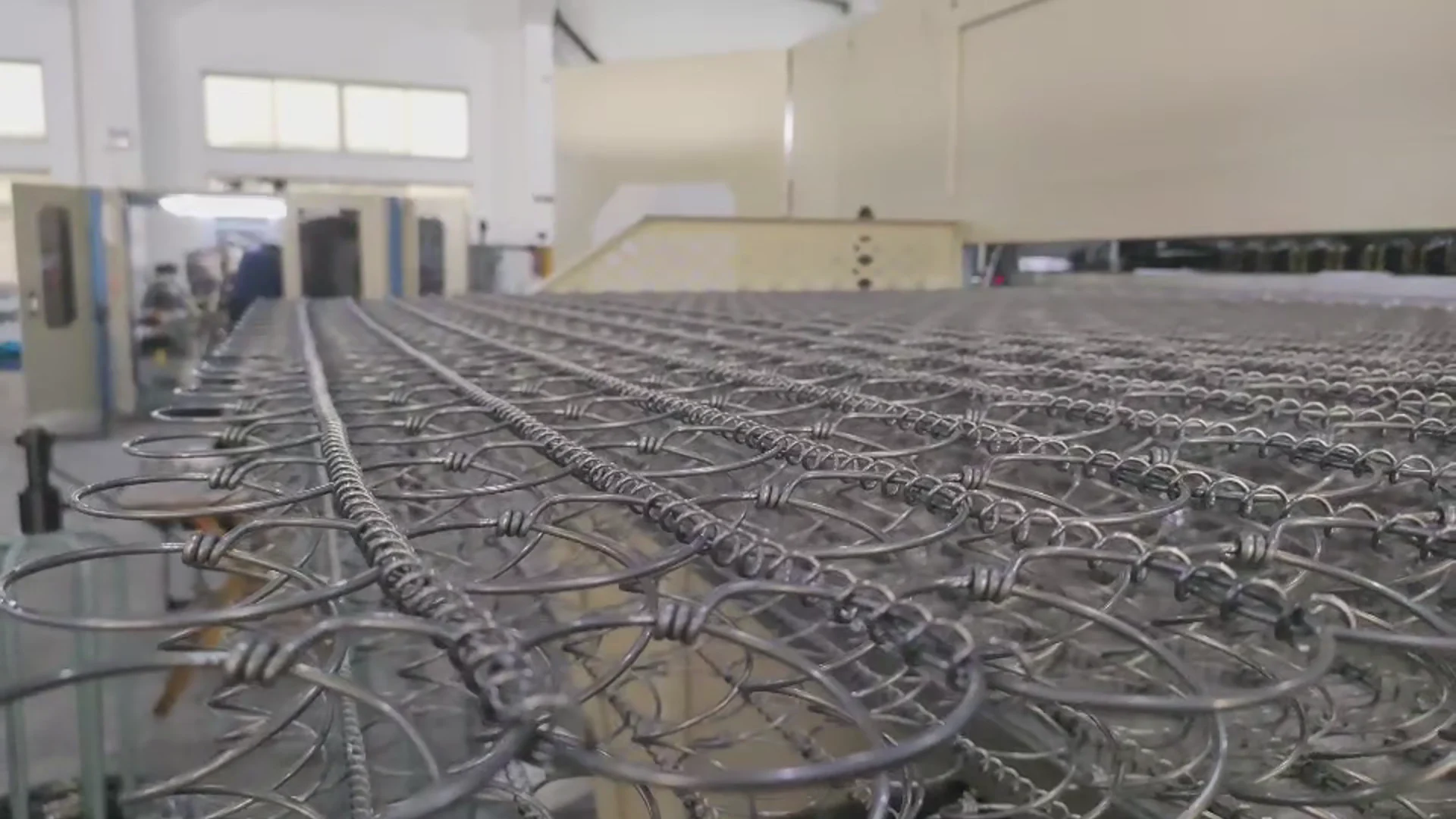
An industrial spring machine is a specialized piece of automated equipment designed to process wire rods into structured cushioning components for mattresses, upholstery, and anatomical support products. Every major B2B bedding and furniture producer relies on these automated units as the primary engine of their coil production line. Understanding the mechanical workflow of a modern coiling machine is critical for plant managers evaluating machinery upgrades or expanding facility capacity.
The manufacturing process follows five main technical steps:
Wire Feeding and Pay-Off System: High-carbon spring steel wire (typically 1.3mm to 2.4mm in diameter) is uncoiled from a heavy-duty pay-off stand using variable-frequency tension control to ensure uniform wire feed without tangles or surface friction.
CNC Multi-Axis Coiling: Multi-axis CNC servo motors drive hardened tungsten carbide tools to bend, pitch, and form the wire into precise coil geometries—ranging from cylindrical and hourglass shapes to multi-zone barrel profiles.
In-Line Induction Heat Treatment: Immediately after coiling, the springs pass through an inline electrical thermal treatment zone to relieve internal steel stress, locking in spring memory, height uniformity, and long-term fatigue resistance.
Fabric Encapsulation or Mechanical Knotting: Depending on the coil style, the springs are either fed into non-woven polypropylene pockets using ultrasonic sealing or transferred to knotting mechanisms for interconnected wire frameworks.
Automated Array Assembly: The individual spring units are grouped, glued, or clipped into complete support cores ready for downstream mattress tape-edging, sofa frame fitting, or pillow insertion.
According to research published by the International ISO Standards for Metallic Springs (ISO 26909), precise thermal stress relief and dimensional tolerance control during automated coiling directly determine the fatigue life and cyclic load limits of steel springs in commercial bedding applications.
How Many Types of Spring Machines Exist for Commercial Production?
Selecting the correct spring machine depends on the specific structural profile, pocket design, and coil configuration required by your end products. In the commercial bedding and upholstery sectors, machinery falls into four primary equipment classifications:
To optimize capital expenditure, procurement teams evaluate each category against target production volumes:
High-Speed Pocket Spring Machine: Built for flexible zoning, silence, and independent motion isolation, this machinery type coils wire, heat-treats it, and seals each spring into ultrasonic-welded fabric pockets in one uninterrupted cycle.
Automated Bonnell Spring Machine: Engineered for durability and high-volume basic support units, these machines form traditional hourglass springs and automatically knot the terminal ends to prevent fabric puncture.
Continuous and LFK Spring Coiler: Designed for maximum structural stability per square meter, producing open-offset coils that offer firm edge-to-edge support for hospitality and orthopedic applications.
Micro-Coil and Cushion Spring Unit: Compact coiling systems configured to handle ultra-thin steel wire, producing mini spring layers that replace polyurethane foam in breathable pillows and luxury mattress toppers.
What Types of Springs Can Different Spring Machines Produce?
An enterprise-grade spring machine offers high adaptability, allowing operators to change wire gauges, coil diameters, pitch distances, and turn counts via software parameters. Understanding which coil geometries correspond to specific machinery configurations helps manufacturers match equipment capabilities with market demands.
·Barrel-Shaped Pocket Coils: Produced on advanced pocket coil equipment, these springs taper slightly at the top and bottom. This shape allows the coils to compress smoothly inside non-woven fabric sleeves without rubbing against adjacent springs, ensuring silent performance and superior point elasticity.
·Hourglass Bonnell Springs: Formed on heavy-duty Bonnell coilers, these springs feature a wider outer diameter at the ends and a narrower center waist. Under light loads, the soft outer coils yield easily; under heavier pressure, the central waist provides firm resistance, making them ideal for long-lasting commercial bedding.
·Zoned Pocket Springs: Created using multi-gauge pocket coiling systems that alternate wire diameters (e.g., 1.8mm for lumbar support and 1.6mm for shoulder comfort) within a single continuous fabric strip, enabling ergonomic multi-zone bed core production.
·Mini Micro-Coils: Produced on specialized micro-coil machinery, these low-profile springs (ranging from 15mm to 50mm in height) deliver dynamic airflow and resilient surface contouring, serving as an eco-friendly alternative to synthetic latex and memory foam layers.
What Are the Final Applications of Spring Machine Coils Across Bedding and Furniture?
Coils manufactured by specialized spring machine installations serve as the core support engine for multiple commercial furniture and home comfort sectors. Procurement managers match equipment investments directly to downstream product requirements:
Mattress Manufacturing Plants: Modern bed factories utilize high-output pocket spring coiling and assembly lines to build multi-zone pocket units, edge-reinforced hybrid beds, and roll-packed mattresses designed for efficient box shipping.
Sofa and Upholstered Furniture Production: Furniture factories integrate pocket spring units and sinuous springs into sofa seating cushions, deep-lounge couches, and sectional sofas to retain shape memory, prevent foam sagging, and extend product lifespan.
Ergonomic Pillow and Cushion Manufacturing: Specialty pillow manufacturers deploy micro-spring arrays encased in gel-infused memory foam or natural cotton covers, providing dynamic neck support and continuous thermal ventilation superior to solid foam blocks.
Office Seating and Automotive Interiors: High-durability micro-coils are increasingly embedded in commercial task chairs, executive seating, and vehicle seats to reduce heat accumulation and offer dynamic pelvic support during long sitting periods.
How Do B2B Buyers Evaluate Spring Machine Technical Parameters Before Purchase?
When investing in industrial production assets, B2B procurement managers, technical directors, and factory owners must evaluate equipment based on measurable performance parameters. Standardized engineering specifications ensure that a new spring machine aligns with factory power grids, floor space, material inputs, and target ROI schedules.
Key engineering metrics to demand from your mattress machine manufacturer include:
Coiling Speed and Throughput: Measured in coils per minute (e.g., 180–260 coils/min for pocket units). Higher linear speeds must be supported by real-time wire tension control to avoid dimensional drift.
Wire Gauge Versatility: The capability to handle high-carbon steel wire diameters ranging from 1.3 mm to 2.4 mm without requiring lengthy manual mechanical re-tooling.
Ultrasonic Welding Stability: For pocket coilers, the ultrasonic generator power (typically 20 kHz frequency) dictates seam strength and non-woven fabric bonding speed without burning the material.
Energy Efficiency Rating: Servo-driven motor systems lower power consumption by 20% to 35% compared to legacy hydraulic or continuous AC motor setups, directly reducing per-unit operational costs.
Machine Footprint and Automation Interface: Compact modular designs with PLC touchscreens (supporting multi-language operation, error diagnostics, and remote IoT maintenance) allow smooth integration into automated plant layouts.
To verify machinery performance, leading producers evaluate equipment from established innovators like LianRou Mattress Machinery, whose patented multi-axis servo coiling setups and high-speed pocketing technology have set industry standards for stable operation and material savings.
Key Takeaways for B2B Spring Machine Procurement
Targeted Equipment Selection: Match the coiling technology directly to product lines—high-speed pocket coilers for luxury/hybrid mattresses, Bonnell coilers for heavy-duty institutional beds, and micro-coil units for pillows and seat cushions.
Focus on Total Cost of Ownership (TCO): Evaluate servo motor energy efficiency, wire scrap rates, tool steel durability, and remote diagnostic features rather than focusing solely on upfront machine purchase price.
Demand Compliance & Standards: Ensure all machinery carries CE certification, ISO manufacturing compliance, and standardized safety guarding for high-speed mechanical operation.
Prioritize After-Sales Support: Select an established mattress machine manufacturer offering global spare parts availability, fast technical response times, and onsite operator training.
FAQ: B2B Spring Machine Purchasing and Technical Queries
Q1: What is the average payback period (ROI) for a high-speed pocket spring machine?
A1: For mid-to-large-scale mattress factories operating single or double shifts, upgrading to a high-speed pocket spring coiling line typically achieves full capital payback within 12 to 18 months through reduced labor overhead, lower scrap rates, and increased daily coil output.
Q2: How does automatic inline heat treatment affect spring quality?
A2: Inline thermal induction heat treatment instantly relieves internal mechanical stresses created during cold wire coiling. This locks in spring height, prevents shape degradation under compression testing, and ensures consistent resilience throughout the mattress lifecycle.
Q3: Can one spring machine produce different spring heights and zone firmnesses?
A3: Yes. Modern CNC servo-driven pocket spring machines allow operators to adjust spring height, coil turns, and coil diameters directly via the PLC touchscreen interface, enabling seamless transition between firm and soft ergonomic zones.
Q4: What non-woven fabric specification is recommended for pocket spring machine production?
A4: Spunbond polypropylene non-woven fabric with a surface weight between 60 g/m² and 85 g/m² is standard. It provides the ideal balance of tensile strength, thermal weldability, and tear resistance under continuous pocket coil pressure.
{{__ اچتیامال_برچسب_0__ }}
{{__ اچتیامال_برچسب_1__ }}{{__ اچتیامال_برچسب_2__ }}نقشه فنی: متالورژی پیشرفته و اتوماسیون CNC در عملیات ماشینسازی فنر (برای گسترش کلیک کنید){{__ اچتیامال_برچسب_3__ }}{{__ اچتیامال_برچسب_4__ }}
{{__ اچتیامال_برچسب_5__ }}
{{__ اچتیامال_برچسب_6__ درک تنشزدایی متالورژیکی در سیستمهای ماشینآلات فنر با سرعت بالا__ اچتیامال_برچسب_7__ }}
{{__ اچتیامال_برچسب_8__ }}در تولید مدرن با حجم بالا از ملحفهها و مبلمان، استحکام مکانیکی پویای یک فنر فولادی به شدت به مراحل اولیه پیچیدن و شرایط حرارتی اولیه بستگی دارد. وقتی سیم فولادی فنری با کربن بالا (معمولاً درجههای استاندارد SWC 60-80 یا EN 10270-1 SH) به صورت سرد شکل داده میشود،__ اچتیامال_برچسب_9__ }}ماشین فنر{{__ اچتیامال_برچسب_10__ }}, تنشهای داخلی پیچشی و کششی قابل توجهی به شبکه بلوری سیم وارد میشود. اگر اصلاح نشوند، این تنشهای داخلی منجر به کاهش زودرس ارتفاع، خستگی دینامیکی و تغییرات غیرقابل پیشبینی در سفتی در سراسر هستههای تشک مونتاژ شده میشوند__ اچتیامال_برچسب_11__ }}
{{__ اچتیامال_برچسب_12__ }}برای حذف این عیوب متالورژیکی، سطح بالای {{__ اچتیامال_برچسب_13__ دستگاه فنر جیبی__ اچتیامال_برچسب_14__ }} خطوط و خودکار {{__ اچتیامال_برچسب_15__ }}ماشین فنر بونل{{__ اچتیامال_برچسب_16__ }} پیکربندیها سیستمهای حرارتدرمانی القایی پیوسته درونخطی را ادغام میکنند. هنگامی که سر پیچش CNC هر فنر را برش میدهد، یک بازوی مکانیکی خودکار، حلقه تازه شکلگرفته را از طریق یک سیمپیچ القایی الکتریکی با فرکانس بالا یا الکترودهای گرمایش مقاومتی محلی منتقل میکند. گرم کردن سیم تا یک محدوده دمایی دقیق (معمولاً بین ۲۴۰ درجه سانتیگراد تا ۳۰۰ درجه سانتیگراد) برای چند ثانیه، تنش برشی موضعی را بدون تغییر در سختی بازپختشده پایه سیم، کاهش میدهد. این فرآیند مداوم کاهش تنش تضمین میکند که هر فنر تحمل ارتفاع آزاد اولیه خود را در محدوده ±۱.۵ میلیمتر حفظ کند، حتی پس از قرار گرفتن در معرض ۱۰۰,۰۰۰ چرخه فشار تحت پروتکلهای آزمایش دوام ASTM F1566__ اچتیامال_برچسب_17__ }}
{{__ اچتیامال_برچسب_18__ }}کنترل حرکت سروو CNC پیشرفته و فناوری جیبزنی اولتراسونیک{{__ اچتیامال_برچسب_19__ }}
{{__ اچتیامال_برچسب_20__ } legacy machinery of mechanical spring relied on complex physical cams, mechanical gears, and manual handwheels to set wire feed pitch and spring turn diameters. محیطهای تولید مدرن نیازمند تغییر سریع محصول، پیکربندیهای تشک چندمنطقهای و حداقل ضایعات مواد هستند. این تغییر، تولیدکنندگان پیشرو مانند {{ را به حرکت واداشته است__ اچتیامال_برچسب_21__ }}لینروو ماترس ماشین{{__ اچتیامال_برچسب_22__ }} و شرکتهای مهندسی پیشرو، برای اتخاذ معماری دیجیتال CNC چندمحوره در هر شرکت معاصر {{__ اچتیامال_برچسب_23__ }}ماشین فنر{{__ اچتیامال_برچسب_24__ }} طراحی.{{__ اچتیامال_برچسب_25__ }}
{{__ اچتیامال_برچسب_26__ }}در یک CNC چندمحوره {{__ اچتیامال_برچسب_27__ دستگاه فنر جیبی__ اچتیامال_برچسب_28__ }}, موتورهای سروو با گشتاور بالا به طور مستقل تغذیه سیم، تنظیم فاصله، موقعیت کلید پیچیدن و برش سیم را کنترل میکنند. این طراحی دیجیتال جدا شده به اپراتورهای ماشین اجازه میدهد تا پروفیلهای فنری چند منطقهای پیچیده را مستقیماً از طریق رابط PLC صفحهنمایشی در چند ثانیه برنامهریزی کنند. برای مثال، یک نوار پارچهای پیوسته و یکپارچه میتواند بهطور خودکار از یک ناحیه کمری با سیم ۱.۸ میلیمتری و سفتتر به یک ناحیه شانهای با سیم ۱.۶ میلیمتری و نرمتر بدون توقف خط تولید تغییر وضعیت دهد__ اچتیامال_برچسب_29__ }}
{{__ اچتیامال_برچسب_30__ }}علاوه بر این، ادغام ژنراتورهای جوش اولتراسونیک با قدرت بالا و فرکانس ۲۰ کیلوهرتز، روش بستهبندی جیبهای پارچهای را متحول میکند. به جای استفاده از چسب حرارتی ذوبشده برای تشکیل آستینهای فنری جداگانه، مبدلهای اولتراسونیک ارتعاشات مکانیکی سریع را به پارچه پلیپروپیلن غیربافت اعمال میکنند. گرمایای اصطکاکی بهسرعت الیاف پلیمری را در سطح مولکولی ذوب میکند و درز طولی تمیز و دائمی ایجاد میکند که در برابر نیروهای شدید پارگی جانبی هنگام بستهبندی غلتکی فشرده (بستهبندی تخت در جعبه) مقاومت میکند__ اچتیامال_برچسب_31__ }}
{{__ اچتیامال_برچسب_32__ }}تحلیل مقایسهای هزینههای سرمایهای ماشینآلات و هزینههای عملیاتی بلندمدت{{__ اچتیامال_برچسب_33__ }}
{{__ اچتیامال_برچسب_34__ }}وقتی تیمهای تدارکات شرکتی یک سرمایهگذاری را از یک دیدگاه تجاری {{ ارزیابی میکنند، {{__ اچتیامال_برچسب_35__ تولیدکننده دستگاه تشک__ اچتیامال_برچسب_36__ }}، محاسبه هزینه کل مالکیت (TCO) نیازمند نگاهی فراتر از قیمت اولیه خرید ماشینآلات است. قابلیت اطمینان ماشینآلات، بهرهوری انرژی، سایش مواد مصرفی و نرخ ضایعات سیم فولادی، بخش عمدهای از هزینههای عملیاتی چرخه عمر را تشکیل میدهند.{{__ اچتیامال_برچسب_37__ }}
{{__ اچتیامال_برچسب_38__ }}معیارهای مالی مقایسهای بین یک پیچنده مکانیکی متداول و یک پیچنده خودکار پیشرفته مبتنی بر سروو را در نظر بگیرید {{__ اچتیامال_برچسب_39__ }}ماشین فنر{{__ اچتیامال_برچسب_40__ }} که بر اساس یک چرخه استاندارد ۵ ساله عمل میکند:{{__ اچتیامال_برچسب_41__ }}
{{__ اچتیامال_برچسب_42__ }}
{{__ اچتیامال_برچسب_43__ }}{{__ اچتیامال_برچسب_44__ }}استفاده از مواد خام:{{__ اچتیامال_برچسب_45__ سیستمهای تغذیهای با درایو سروو مجهز به تشخیص لغزش سیم در زمان واقعی، نرخ ضایعات سیم خام را از میانگین صنعتی ۲.۵٪ به کمتر از ۰.۲٪ کاهش میدهند که منجر به صرفهجویی دهها هزار دلاری در سال در هزینه سیم فولادی میشود__ اچتیامال_برچسب_46__ }}
{{__ اچتیامال_برچسب_47__ }}{{__ اچتیامال_برچسب_48__ مصرف انرژی: {{}}__ اچتیامال_برچسب_49__ }} موتورهای سروو با فرکانس متغیر تنها در حین جابجایی مکانیکی فعال مصرف انرژی دارند و مصرف برق کارخانه (کیلووات ساعت) را تا ۳۰٪ نسبت به درایوهای AC قدیمی که به طور مداوم کار میکنند، کاهش میدهند.{{__ اچتیامال_برچسب_50__ }}
{{__ اچتیامال_برچسب_51__ }}{{__ اچتیامال_برچسب_52__ }}بهینهسازی پارچه غیربافت:{{__ اچتیامال_برچسب_53__ }} hornهای جوش اولتراسونیک دقیق، اتلاف همپوشانی پارچه را حذف میکنند و به تولیدکنندگان اجازه میدهند که نیازهای عرض رول پارچه غیربافت را به میزان ۵ تا ۸ درصد برای هر رشته جیب تولیدی کاهش دهند.{{__ اچتیامال_برچسب_54__ }}
{{__ اچتیامال_برچسب_55__ }}{{__ اچتیامال_برچسب_56__ }}زمان توقف و نگهداری:{{__ اچتیامال_برچسب_57__ }} ماژولهای تشخیصی IoT از راه دور به تکنسینهای خارج از سایت اجازه میدهند تا کدهای خطای PLC را تشخیص دهند، firmware کنترل حرکت را بهروز کنند و نگهداری پیشگیرانه را برنامهریزی کنند که این امر زمان توقف غیرمنتظره در کارخانه را به حداقل میرساند.{{__ اچتیامال_برچسب_58__ }}
{{__ اچتیامال_برچسب_59__ }}
{{__ اچتیامال_برچسب_60__ }}با ارتقای داراییهای تأسیسات به ظرفیت بالا و مدرن {{__ اچتیامال_برچسب_61__ }}ماشین فنر{{__ اچتیامال_برچسب_62__ }} فناوری، کارخانههای تولید تشک تجاری، کارخانههای تولید مبل و تأمینکنندگان قطعات بالش، مزیت رقابتی هزینه بلندمدت را در حالی که استانداردهای کیفی سختگیرانه مورد نیاز برندهای OEM جهانی و خردهفروشان تجارت الکترونیک مستقیم به مصرفکننده را حفظ میکنند، به دست میآورند.{{__ اچتیامال_برچسب_63__ }}
{{__ اچتیامال_برچسب_64__ }}
{{__ اچتیامال_برچسب_65__ }}